
Familias Botánicas
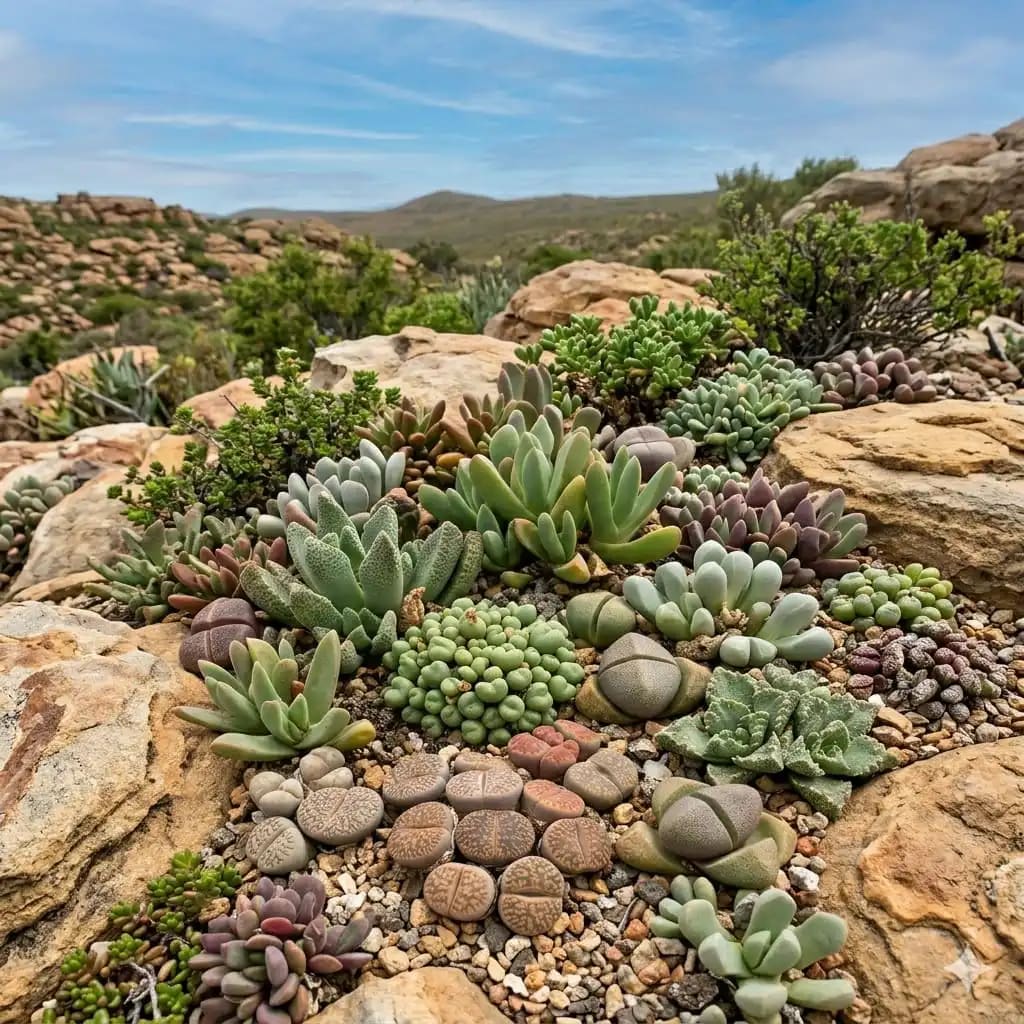
Aizoaceae
Aizoaceae Martinov (1820)
Ice Plant FamilyFamilia de plantas suculentas con mayor diversidad en el sur de África, que comprende alrededor de 135 géneros. Incluye las llamadas "piedras vivas" (Lithops), "plantas ventana" (Fenestraria) y los populares "dedos de bebé" (Faucaria). Se distinguen por sus hojas altamente suculentas, a menudo con formas miméticas que imitan piedras o guijarros del entorno. Las flores son generalmente grandes, vistosas y de apertura diurna.
Anacampserotaceae
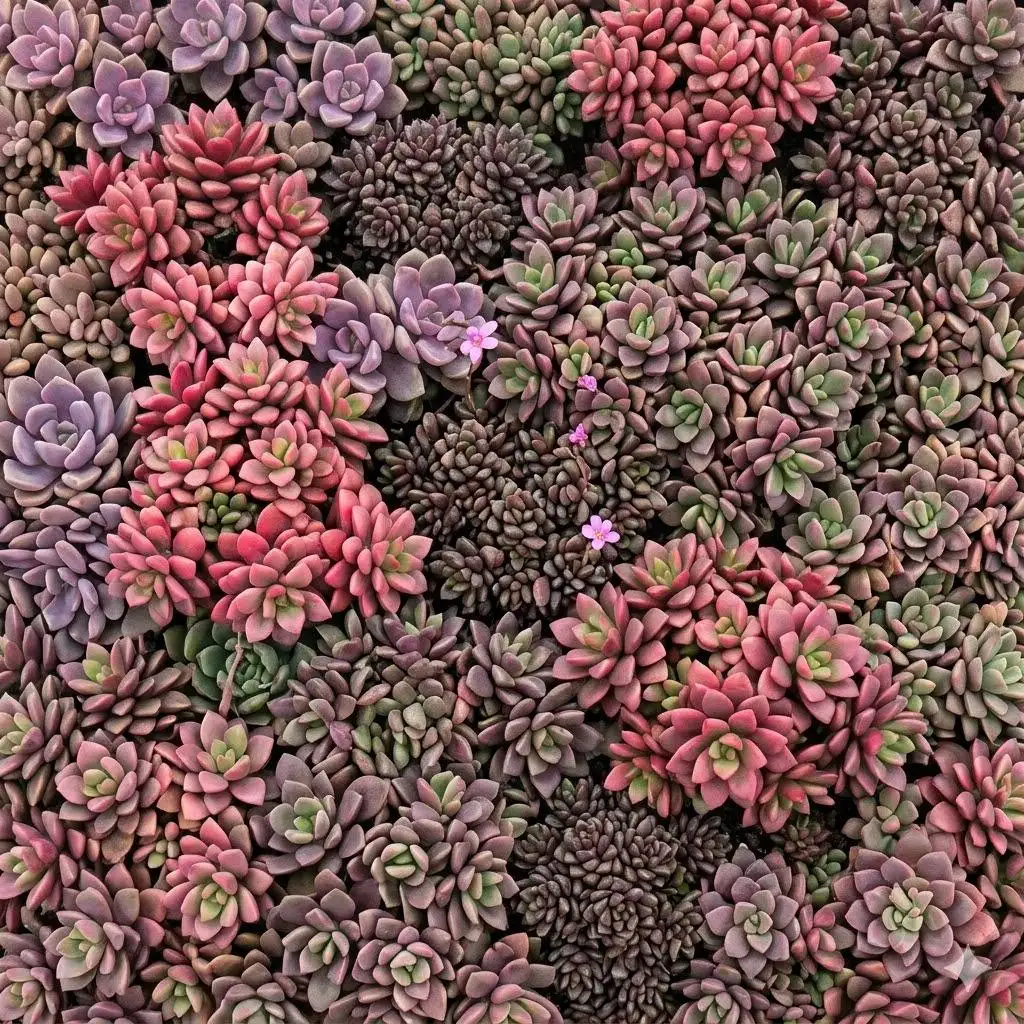
Familia de plantas suculentas de las regiones áridas del sur de África y Australia, segregada de Portulacaceae. Incluye los géneros Anacampseros, Avonia y Grahamia. Plantas de pequeño tamaño con hojas carnosas a menudo cubiertas de pelos sedosos o escamas papiráceas, flores efímeras de corta duración.

Anacardiaceae
Apiaceae
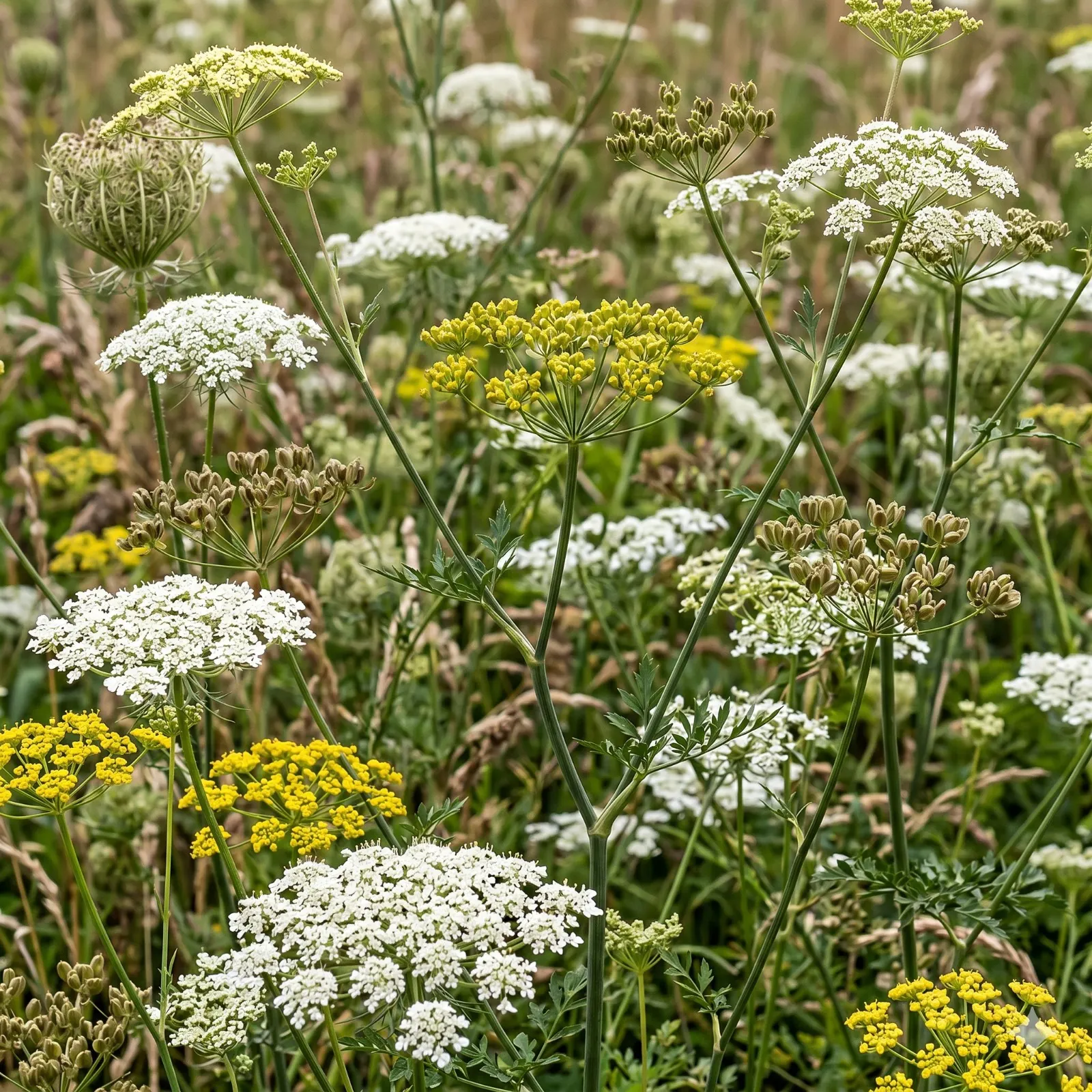
Apiaceae Lindl.
ApiaceaeGran familia de plantas con flores, también conocida como Umbelliferae, que incluye zanahorias, perejil, eneldo y algunas especies adaptadas a climas alpinos y áridos. Algunas especies forman plantas en cojín de aspecto suculento adaptadas a condiciones extremas de altitud.
Apocynaceae
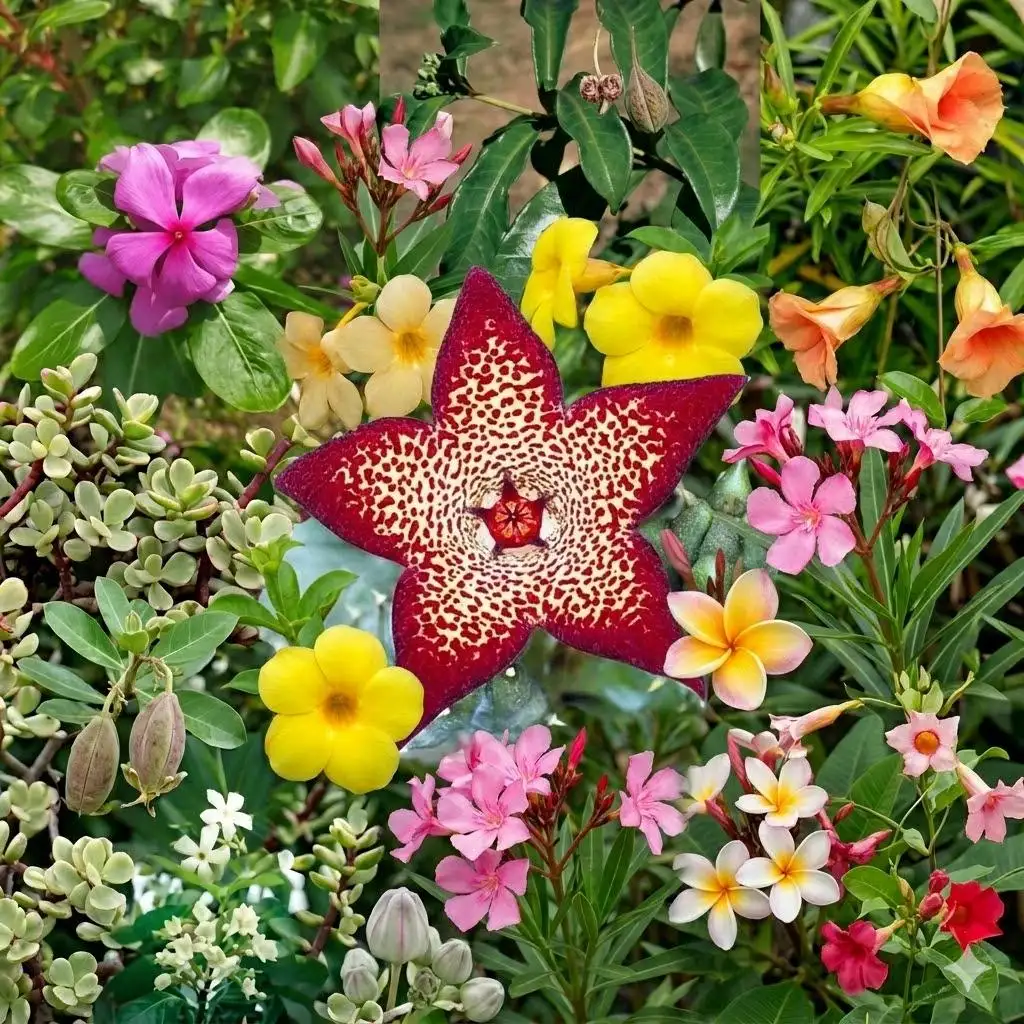
Apocynaceae Juss. (1789)
Dogbane FamilyFamilia cosmopolita con más de 5.000 especies que incluye hierbas, arbustos, árboles y lianas. Se caracteriza por el látex lechoso presente en la mayoría de sus representantes y por flores con pétalos soldados en tubo. Comprende géneros ornamentales de gran popularidad mundial como Adenium (rosa del desierto) y Plumeria (frangipani), junto a especies medicinales y caudiciformes de notable interés coleccionista.
Asparagaceae
Asparagaceae Juss. (1789)
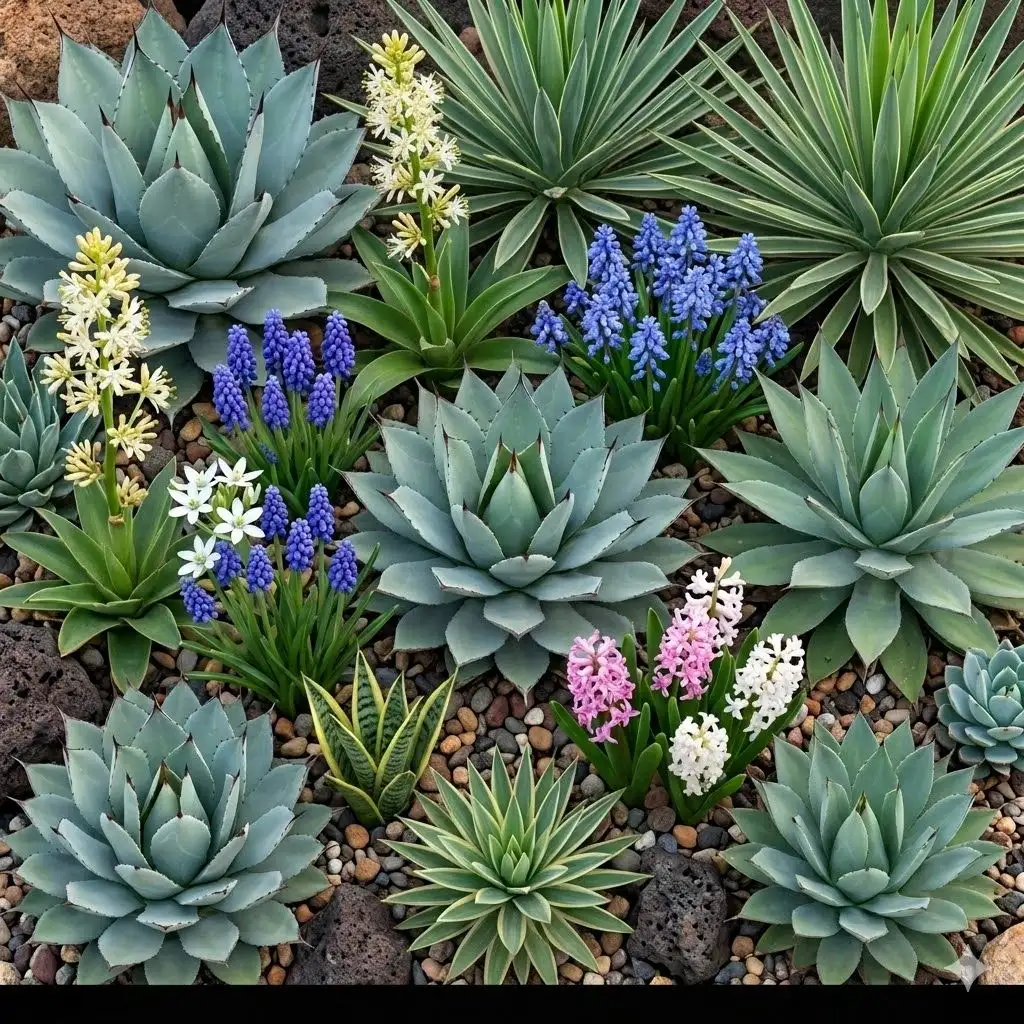
Asparagus FamilyAsparagaceae es una familia de plantas monocotiledóneas que incluye más de 2.900 especies distribuidas en 114 géneros, desde hierbas hasta arbustos y árboles. Abarca grupos muy diversos como los agaves, yucas, dragos, esparragueras y jacintos, muchos de los cuales son de gran importancia económica, ornamental y cultural. La familia se caracteriza por hojas generalmente lineares o lanceoladas y flores con seis tépalos dispuestos en racimos o panículas.
Asphodelaceae
Asphodelaceae Burnett (1835)
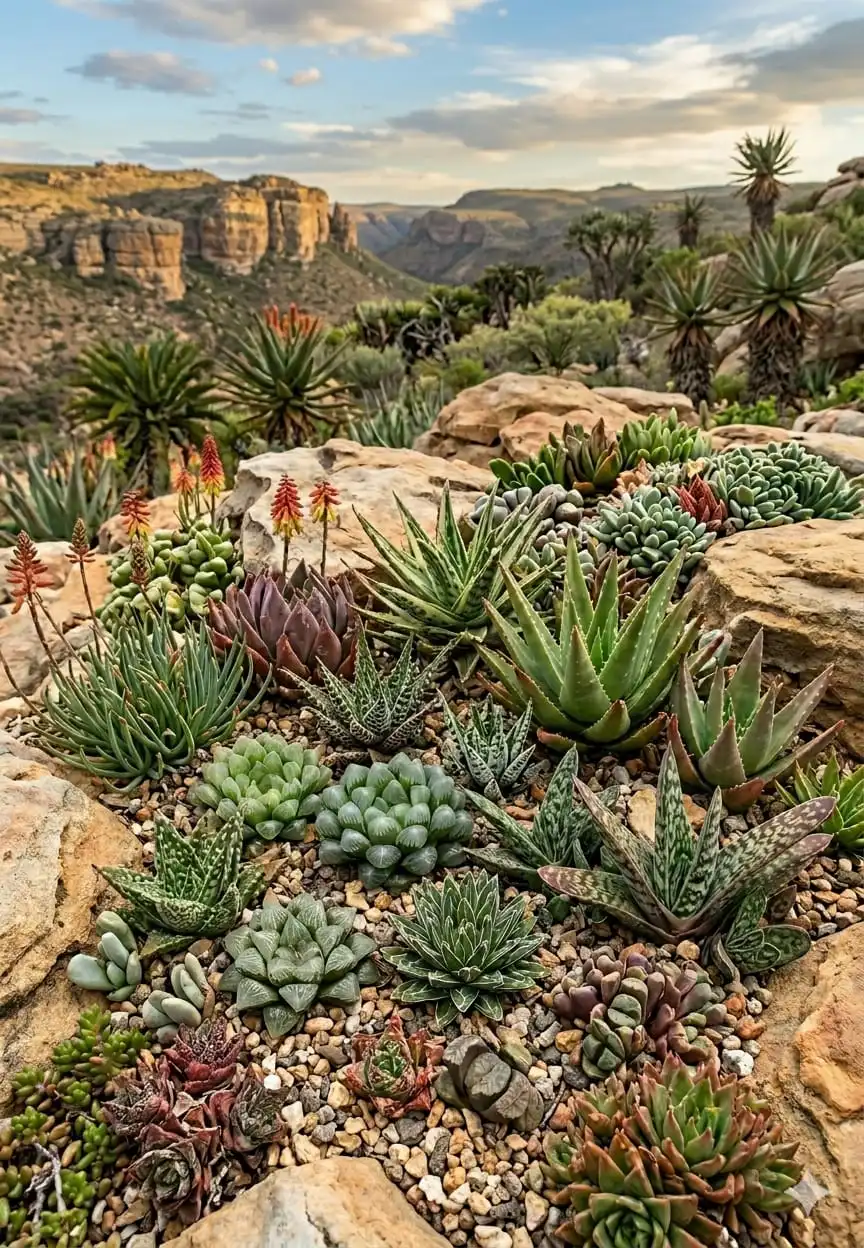
Asphodel FamilyFamilia de monocotiledóneas suculentas distribuida principalmente en África austral, Madagascar y la Península Arábiga. Incluye géneros emblemáticos como Aloe, Haworthia y Gasteria. Las plantas típicamente forman rosetas de hojas carnosas con márgenes enteros o espinosos, y producen inflorescencias racemosas con flores tubulares ricas en néctar, polinizadas por aves e insectos.
Asteraceae
Asteraceae Bercht. & J.Presl
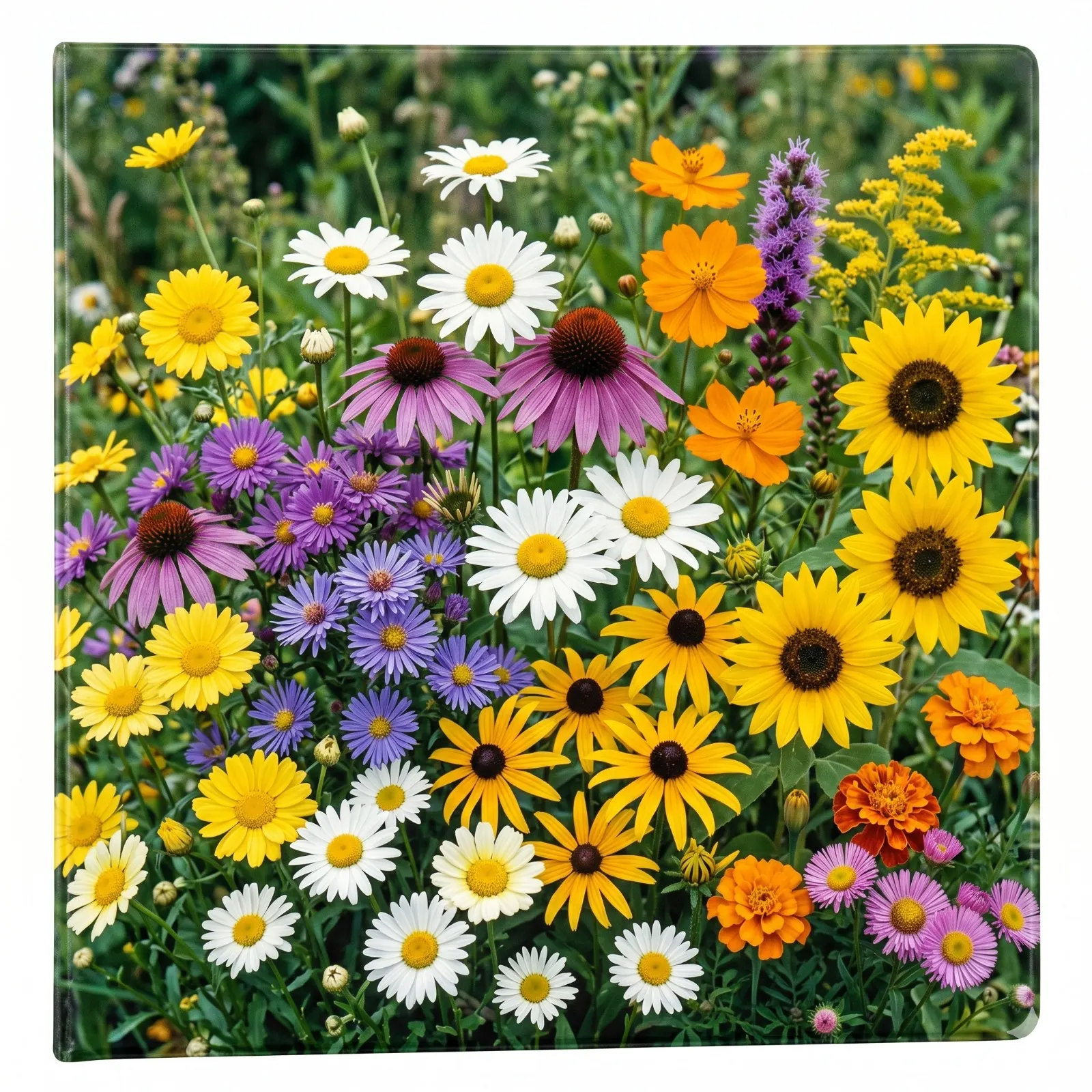
AsteraceaeLa familia Asteraceae, también conocida como Compositae, es una de las familias de plantas con flores más grandes y diversas. Incluye numerosas especies suculentas nativas de regiones áridas y semiáridas, especialmente en África y las Islas Canarias. Los géneros suculentos dentro de esta familia —como Kleinia, Curio, Caputia y Senecio— presentan tallos carnosos, hojas reducidas o glaucas y flores en capítulos característicos.
Basellaceae
Basellaceae Raf.
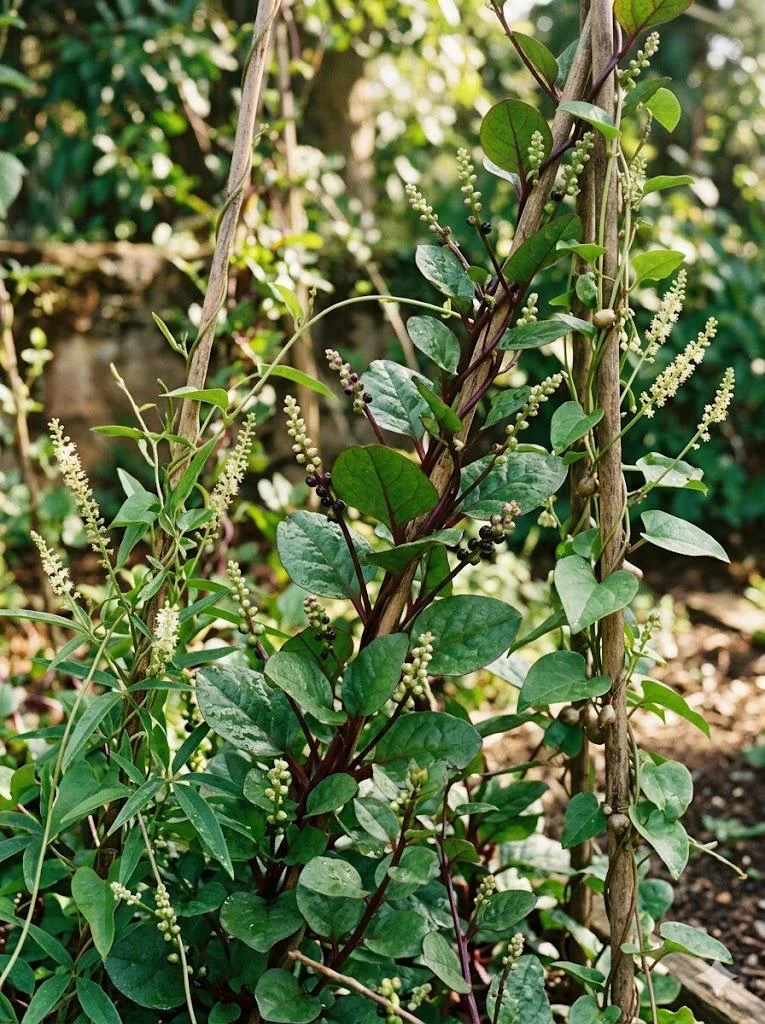
Basella familyFamilia de plantas trepadoras suculentas o semisuculentas con tallos volubles, hojas carnosas alternas y flores pequeñas en espigas o racimos. Incluye especies cultivadas como verduras (Basella alba, espinaca de Malabar) y como ornamentales o invasoras (Anredera cordifolia, parra de Madeira). Distribución pantropical.

Campanulaceae
Campanulaceae Juss. (1789)
Bellflower FamilyFamilia de plantas con flores distribuidas principalmente en regiones templadas del hemisferio norte, con algunas especies en África, Sudamérica y Oceania. Incluye géneros como Campanula, Lobelia, Platycodon y Wahlenbergia. Las flores típicamente tienen forma de campana, embudo o estrella y varían en color desde azul brillante y púrpura hasta blanco, rosa y amarillo. Muchas especies son cultivadas como ornamentales por su atractiva floración en jardines de sombra y bordes de senderos.
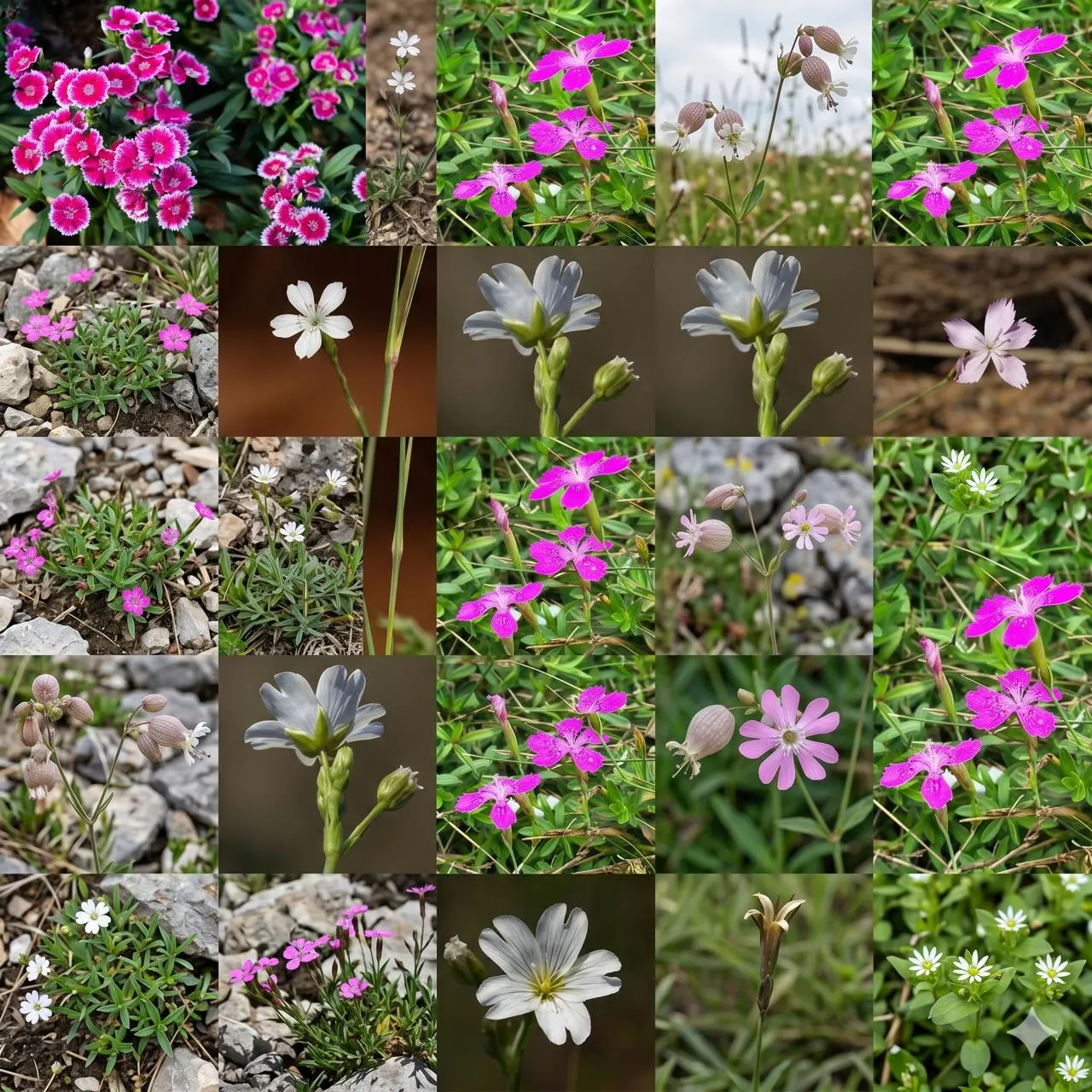
Caryophyllaceae
{"en": "Flowering plant family known as the carnation family; includes annual and perennial herbs with opposite leaves and five-petaled flowers; some species show succulent adaptations in arid regions.", "es": "Familia de plantas con flor conocida como la familia del clavel; incluye hierbas anuales y perennes con hojas opuestas y flores de cinco pétalos; algunas especies presentan adaptaciones suculentas en regiones áridas."}
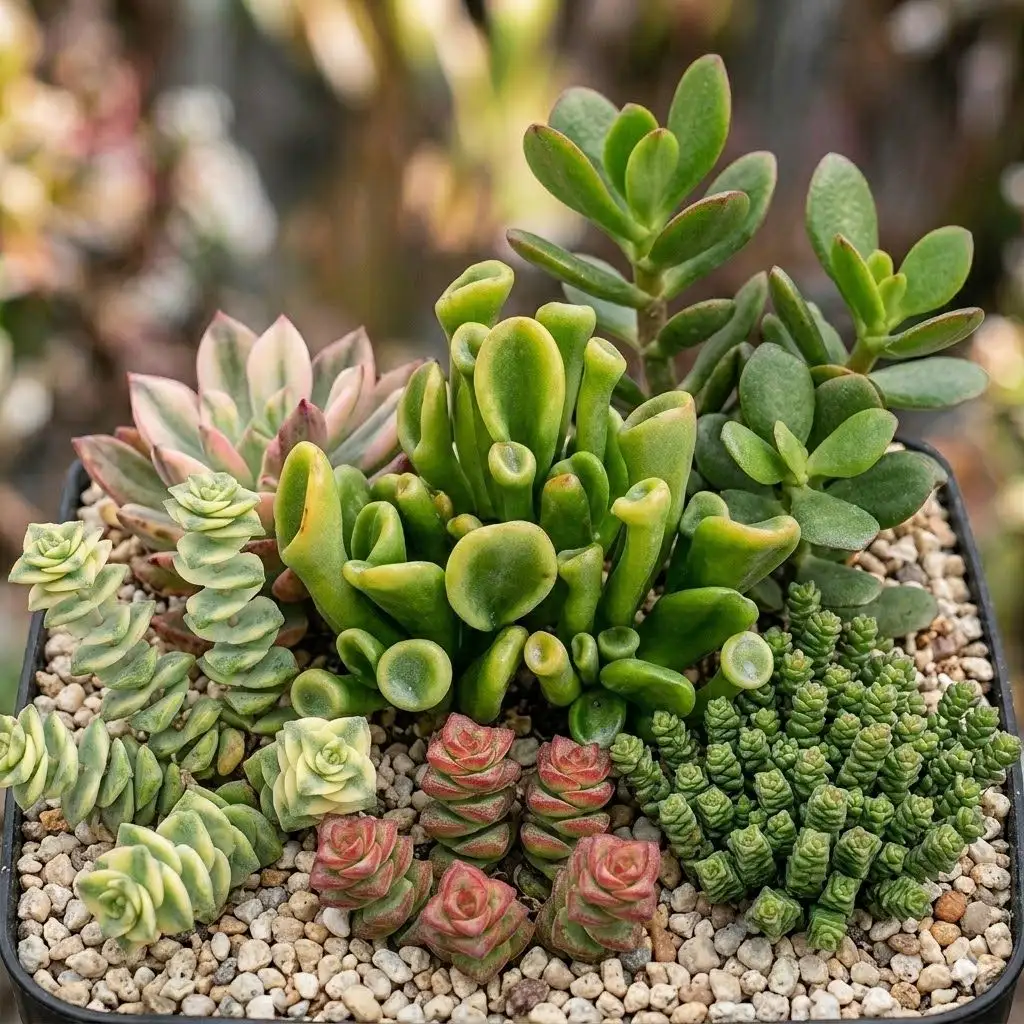
Crassulaceae
Crassulaceae J.St.-Hil. (1805)
Stonecrop FamilyFamilia cosmopolita que comprende plantas suculentas herbáceas y subarbustivas, distribuidas en regiones templadas y subtropicales de ambos hemisferios. Se caracterizan por hojas carnosas dispuestas frecuentemente en rosetas, con metabolismo ácido de las crasuláceas (CAM) que les permite sobrevivir en condiciones de sequía. Las flores suelen presentar simetría radial y pétalos libres o ligeramente fusionados.
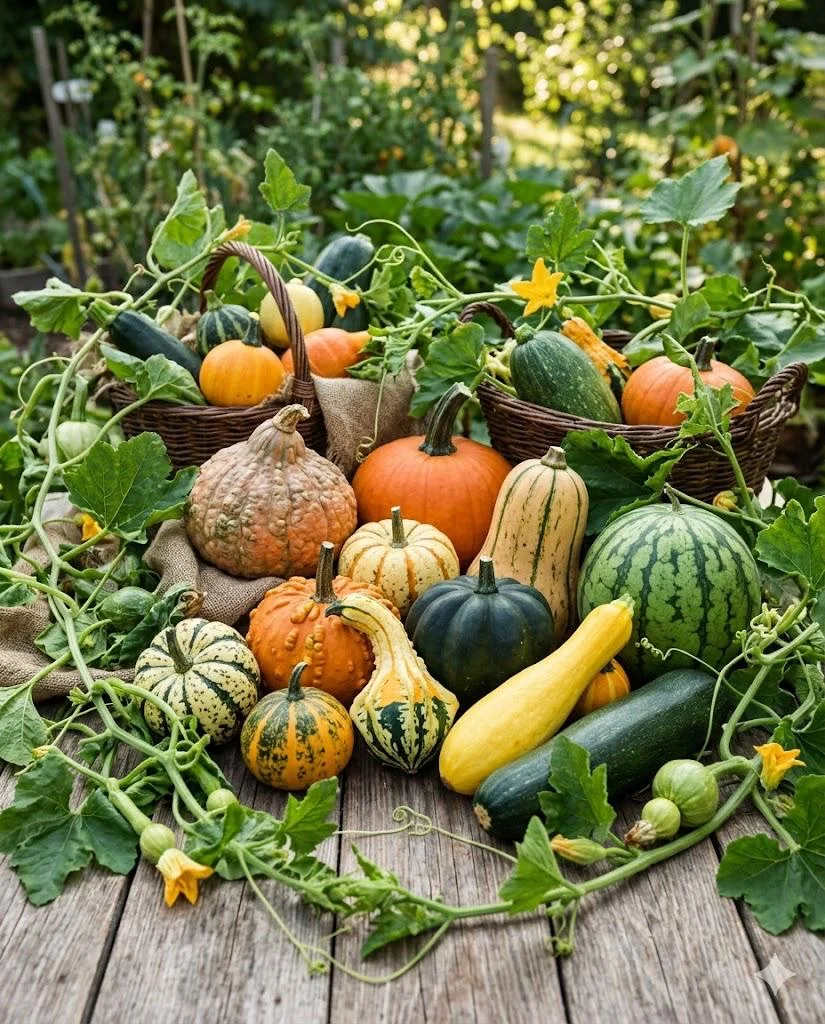
Cucurbitaceae
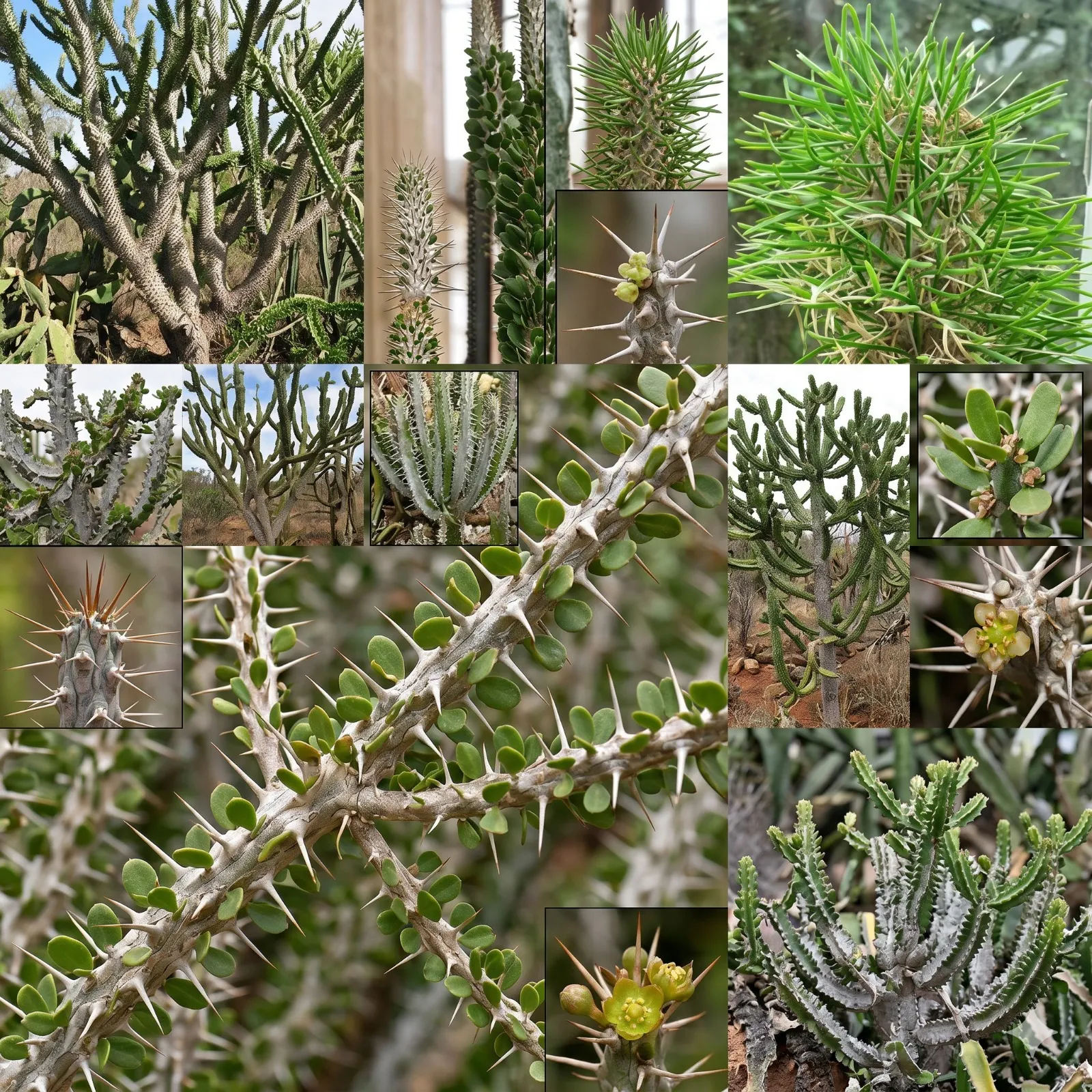
Didiereaceae
Didiereaceae Drake del Castillo (1903)
Didierea FamilyFamilia de plantas suculentas espinosas endémicas de Madagascar, especialmente del bosque espinoso del sur de la isla. Las didiereas producen tallos columnares o arbóreos cubiertos de hojas pequeñas y largas espinas, adaptados a la extrema estacionalidad climática de Madagascar. Son elementos clave del ecosistema de bosque seco espinoso (thicket).
Dioscoreaceae
Euphorbiaceae
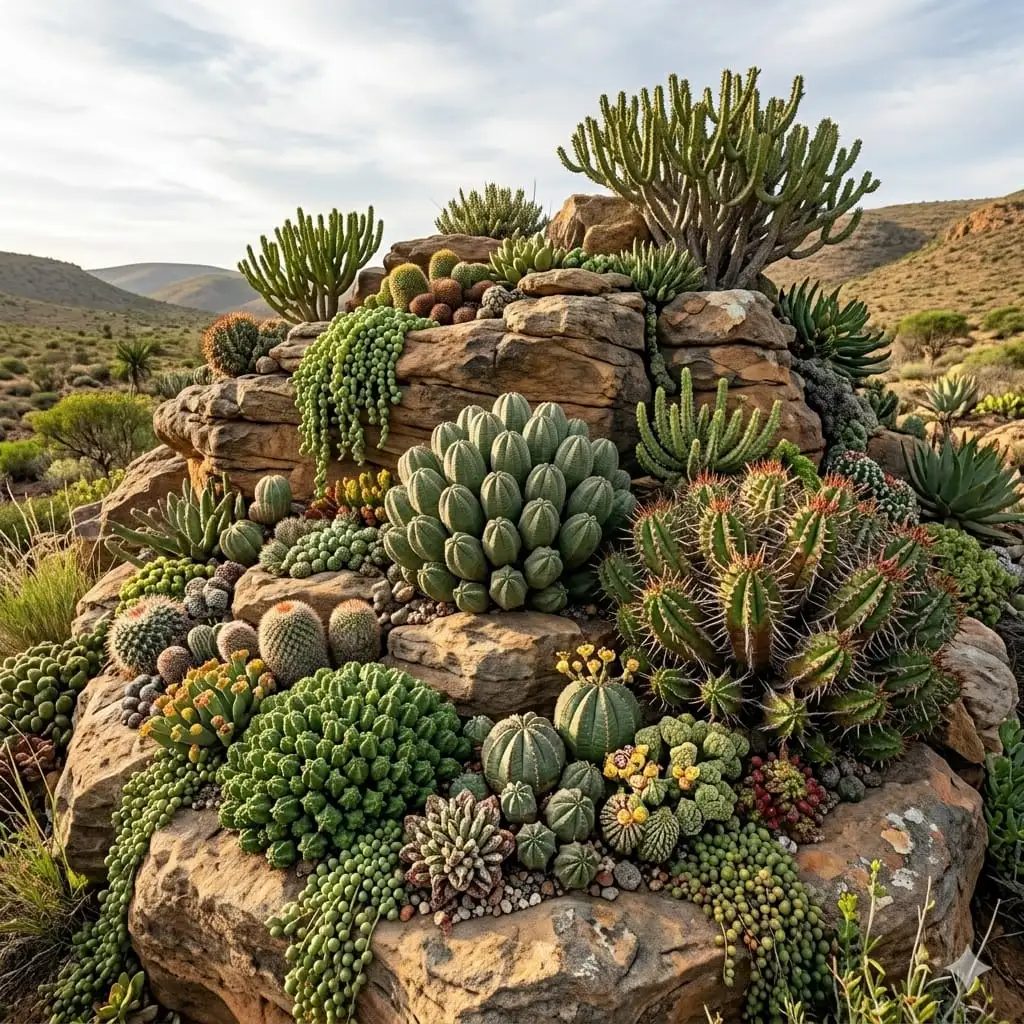
Familia grande de plantas con flores que incluye numerosas especies suculentas, arbustivas, arbóreas y herbáceas. Característica por la presencia de látex blanco lechoso y flores reducidas en ciátion (ciatio). Distribución mundial; especialmente diversa en regiones tropicales y subtropicales. Incluye géneros suculentos importantes como Euphorbia, Monadenium, Pedilanthus y Chamaesyce.
Fouquieriaceae
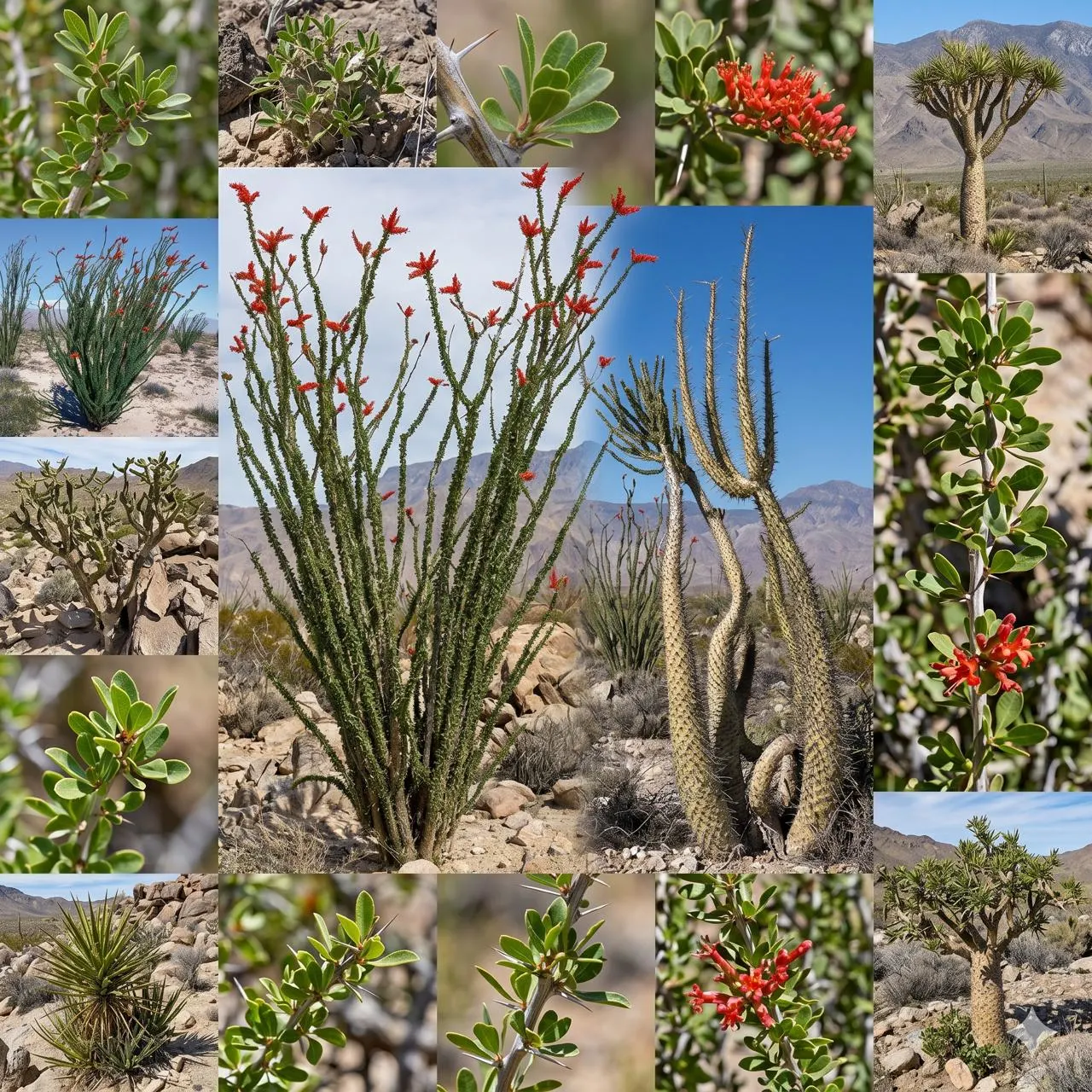
Fouquieriaceae DC.
FouquieriaceaeFamilia de plantas xerofíticas arbustivas y arbóreas endémicas de México y suroeste de Estados Unidos; incluye el árbol boojum y la ocotilla.
Geraniaceae
Lamiaceae
Montiaceae
Montiaceae Raf.
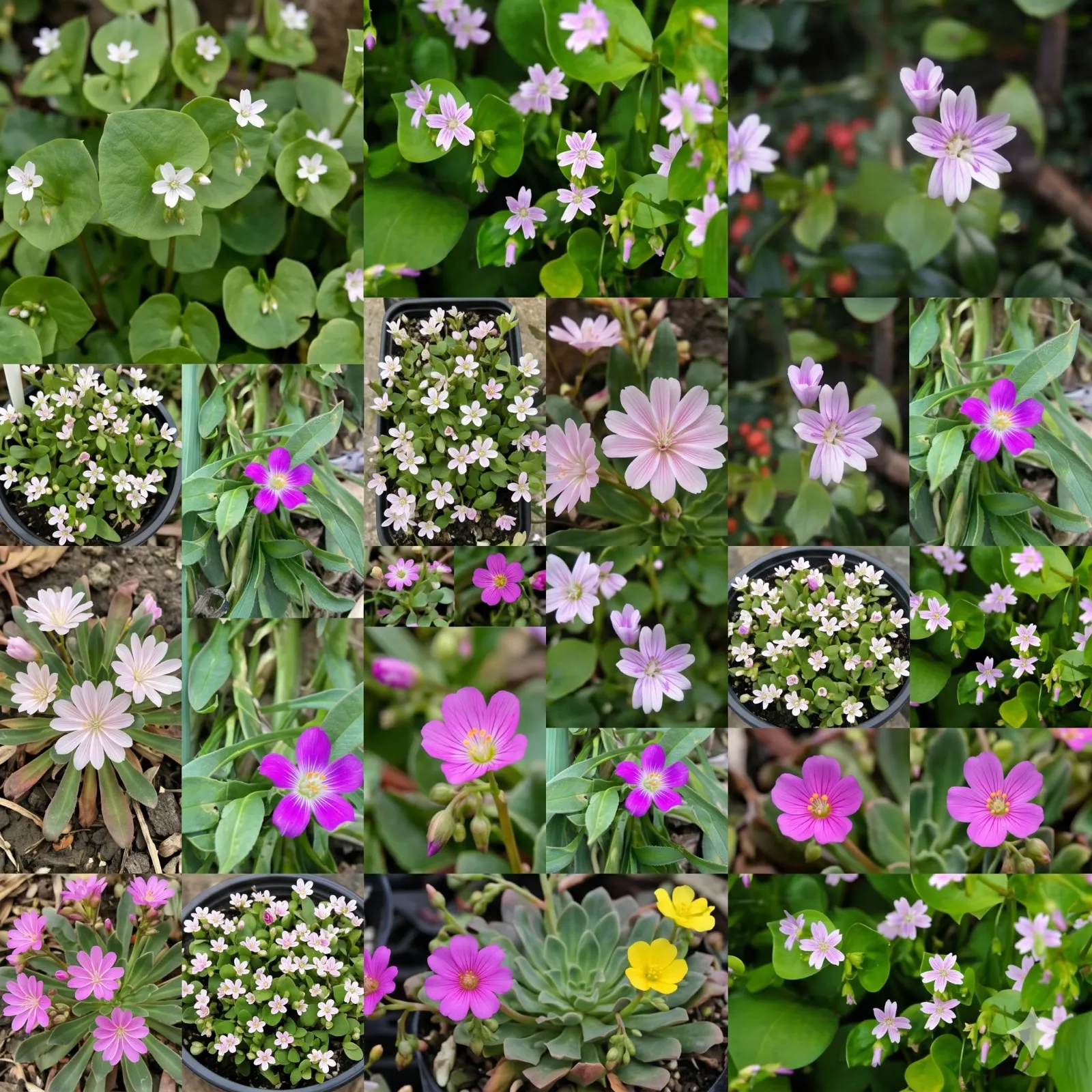
MontiaceaeFamilia de plantas herbáceas y suculentas, mayormente del hemisferio americano y australiano, caracterizadas por hojas carnosas y flores con pétalos vistosos.
Moraceae
Pedaliaceae
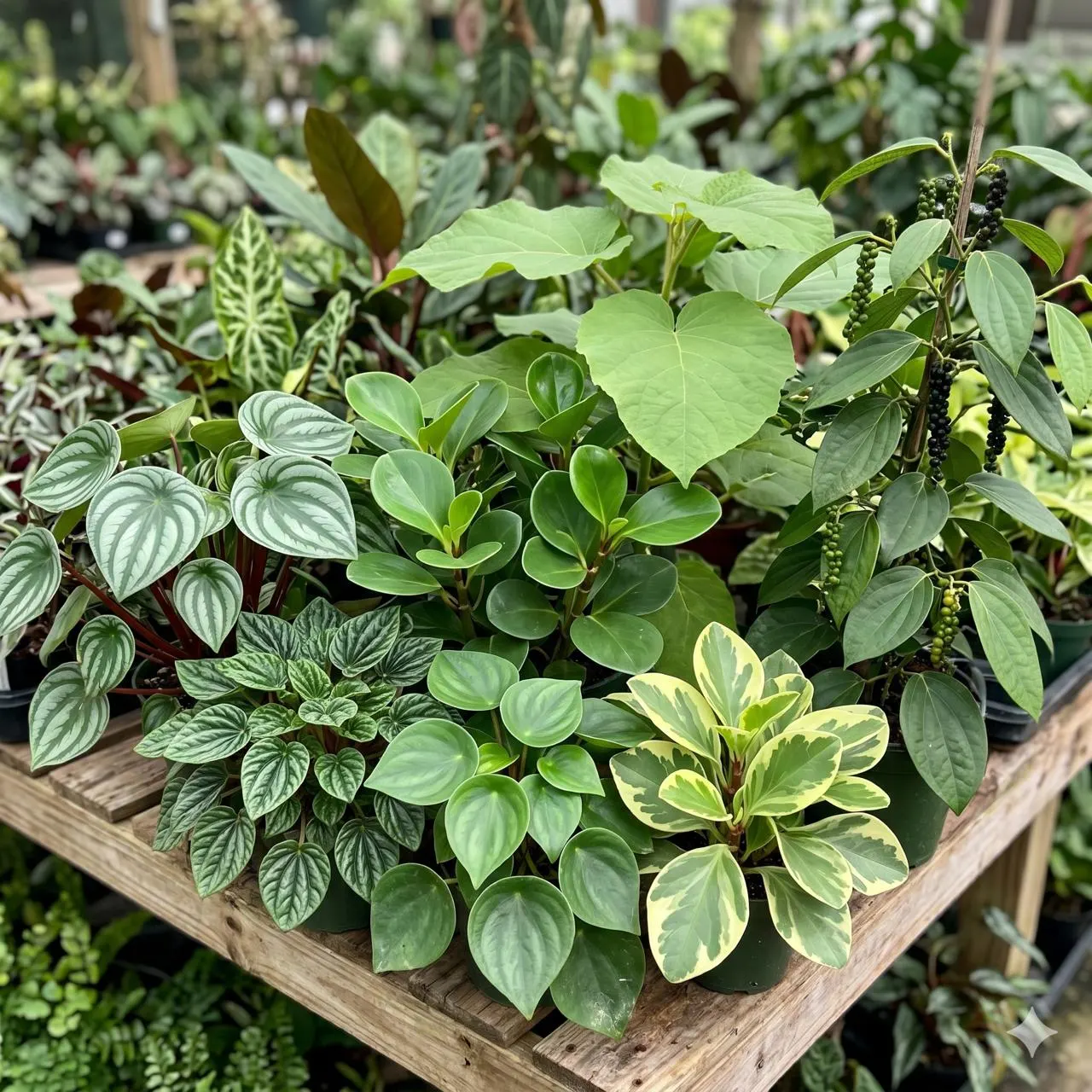
Piperaceae
Familia de plantas piperáceas que incluye las especies suculentas del género Peperomia, originarias principalmente de Perú y América del Sur
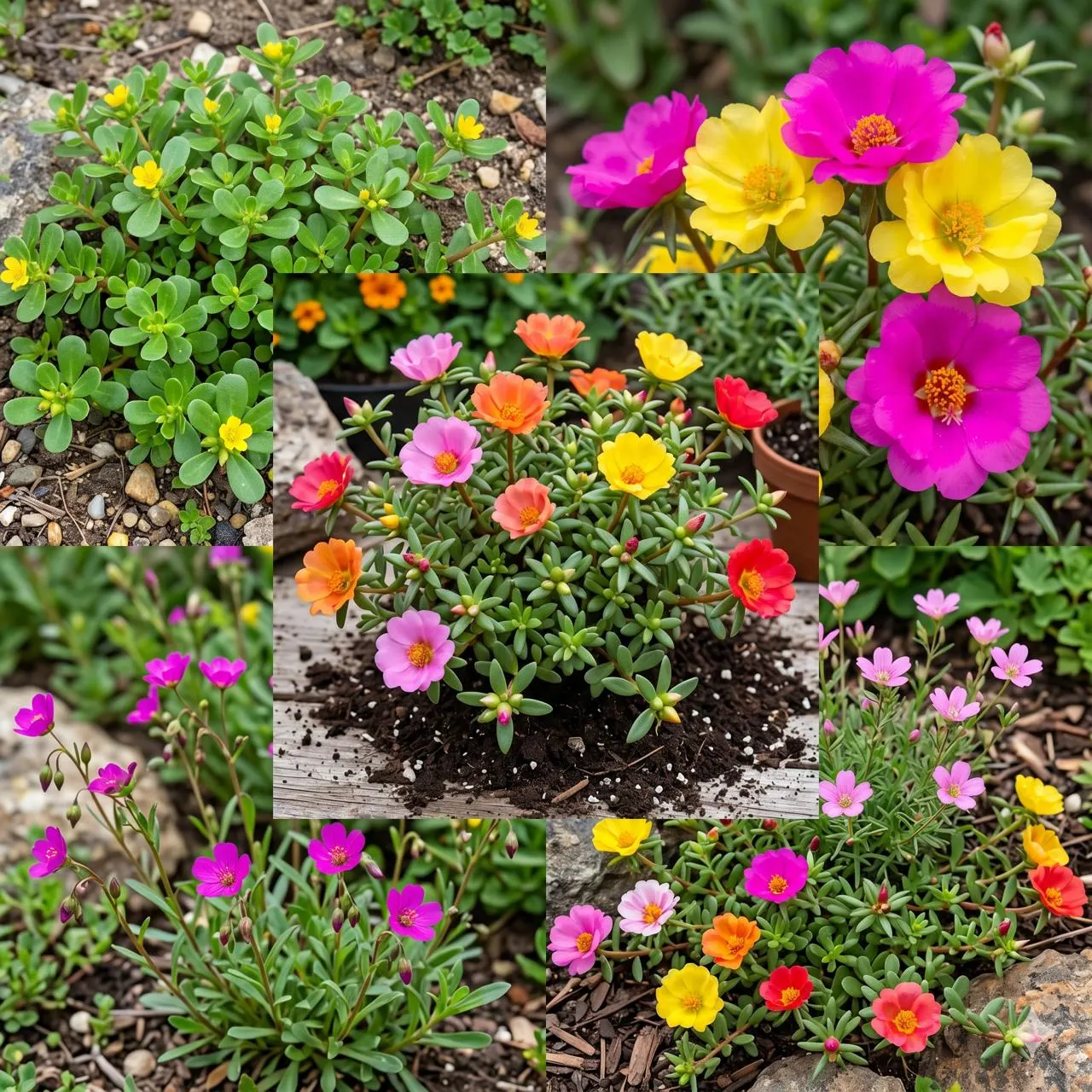
Portulacaceae
Familia de plantas suculentas y semisucul entas distribuidas principalmente en regiones áridas y semiáridas de África austral, América y Australia. Incluye arbustos suculentos xérofitos y hierbas anuales. Hoy circunscrita a pocos géneros tras la separación de Cactaceae, Talinaceae y otros; algunos autores ubican Ceraria en Talinaceae.
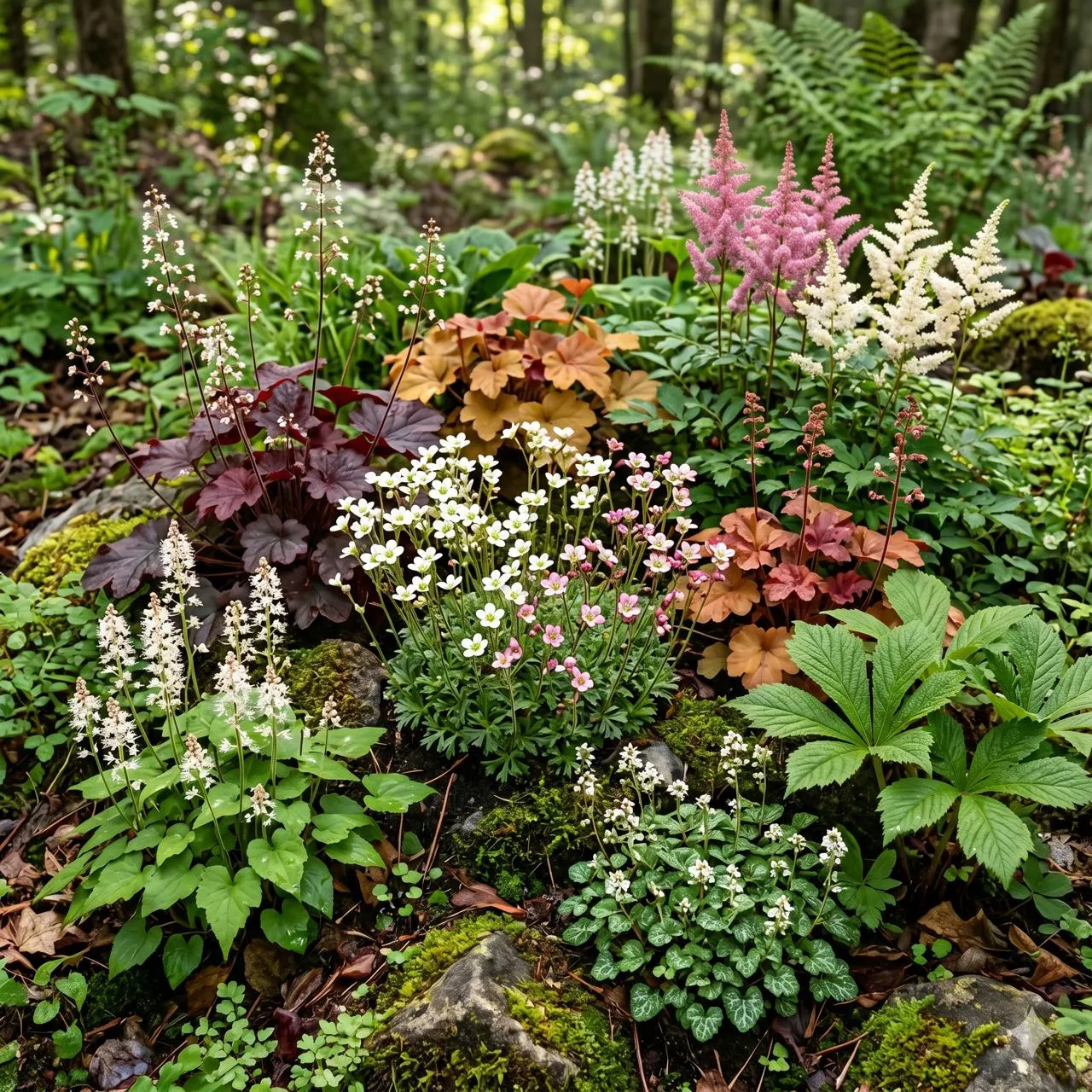
Saxifragaceae
Familia de plantas herbáceas y subarbustivas principalmente de zonas montañosas y alpinas del hemisferio norte. Incluye géneros de rosetas suculentas o semisucul entas como Saxifraga, Bergenia y Chondrosea (= sección Aizoon de Saxifraga). Muchas forman cojines densos en grietas de roca o suelos pedregosos. Distribución circumboreal-alpina.
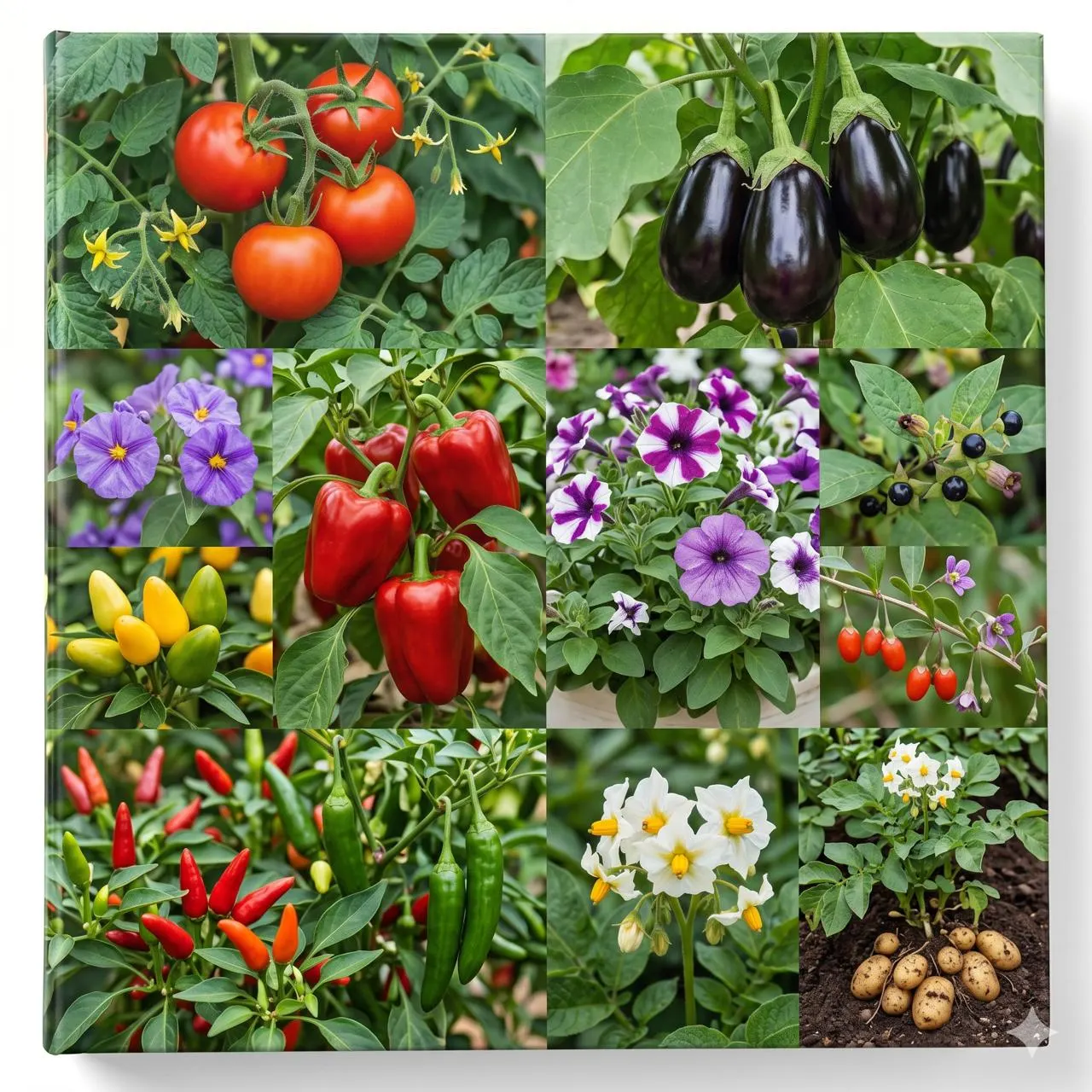
Solanaceae
Solanaceae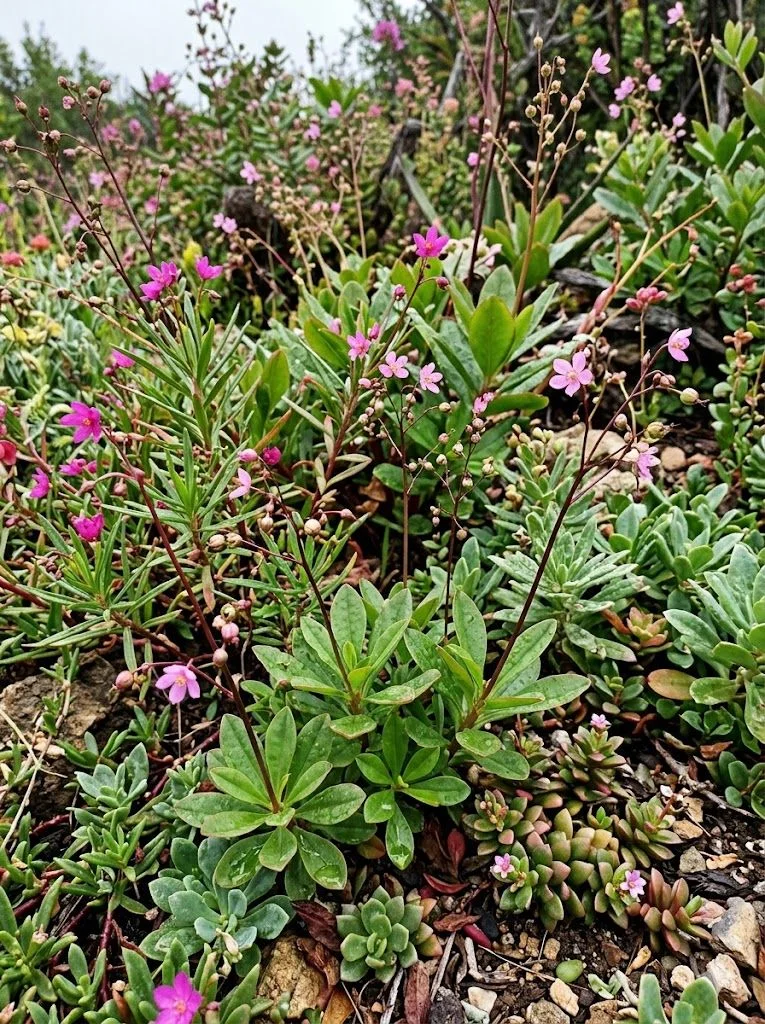
Talinaceae
Talinaceae Doweld
Talinum familyFamilia pequeña de plantas suculentas herbáceas o subarbustivas, segregada de las portulacáceas en la clasificación APG IV. Comprende un único género (Talinum) con hojas carnosas, flores rosadas o blancas efímeras y raíces engrosadas que actúan como reservorio de agua. Habita regiones tropicales y subtropicales de África y América.
Vitaceae
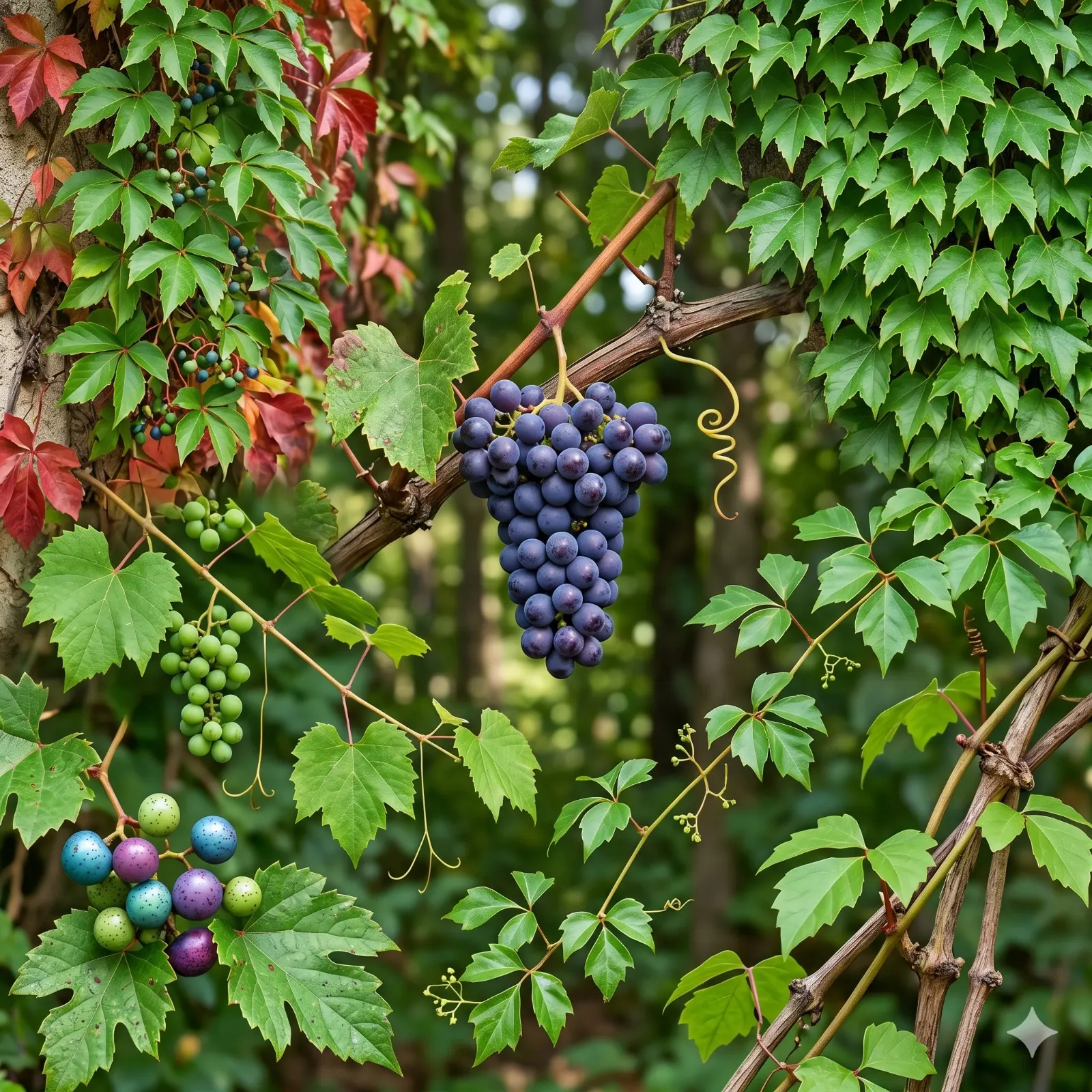
Familia de plantas trepadoras con zarcillos y frutos en baya, principalmente tropicales. Incluye la vid (Vitis vinifera). El género Cissus contiene numerosas especies suculentas o caudiciformes con tallos o tubérculos engrosados para almacenar agua, nativas de regiones áridas de África y América.
Welwitschiaceae
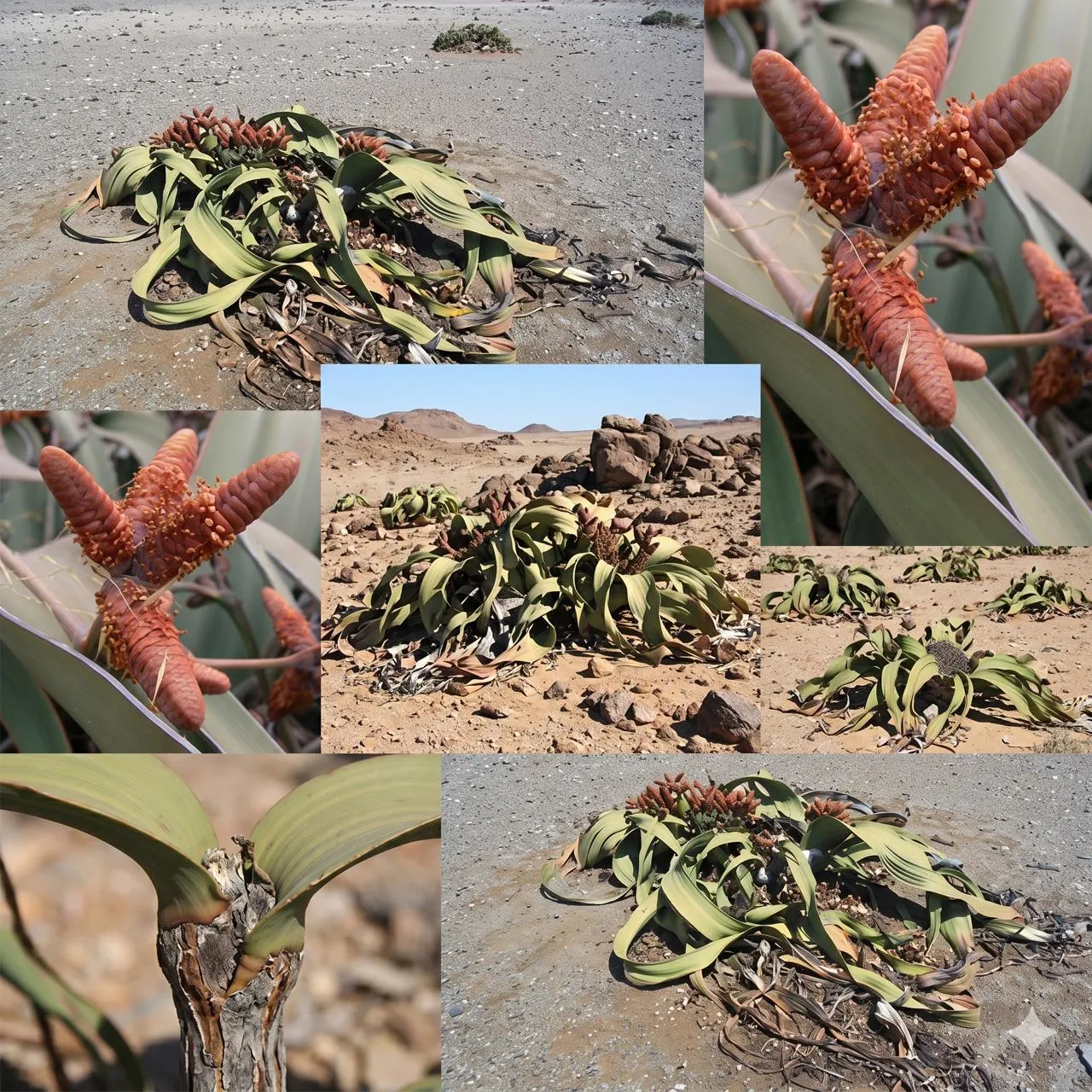
Familia monotípica de gimnospermas (orden Gnetales) representada únicamente por Welwitschia mirabilis. Una de las plantas más antiguas y únicas del planeta, endémica del desierto de Namib.
Zygophyllaceae
Zygophyllaceae R.Br.
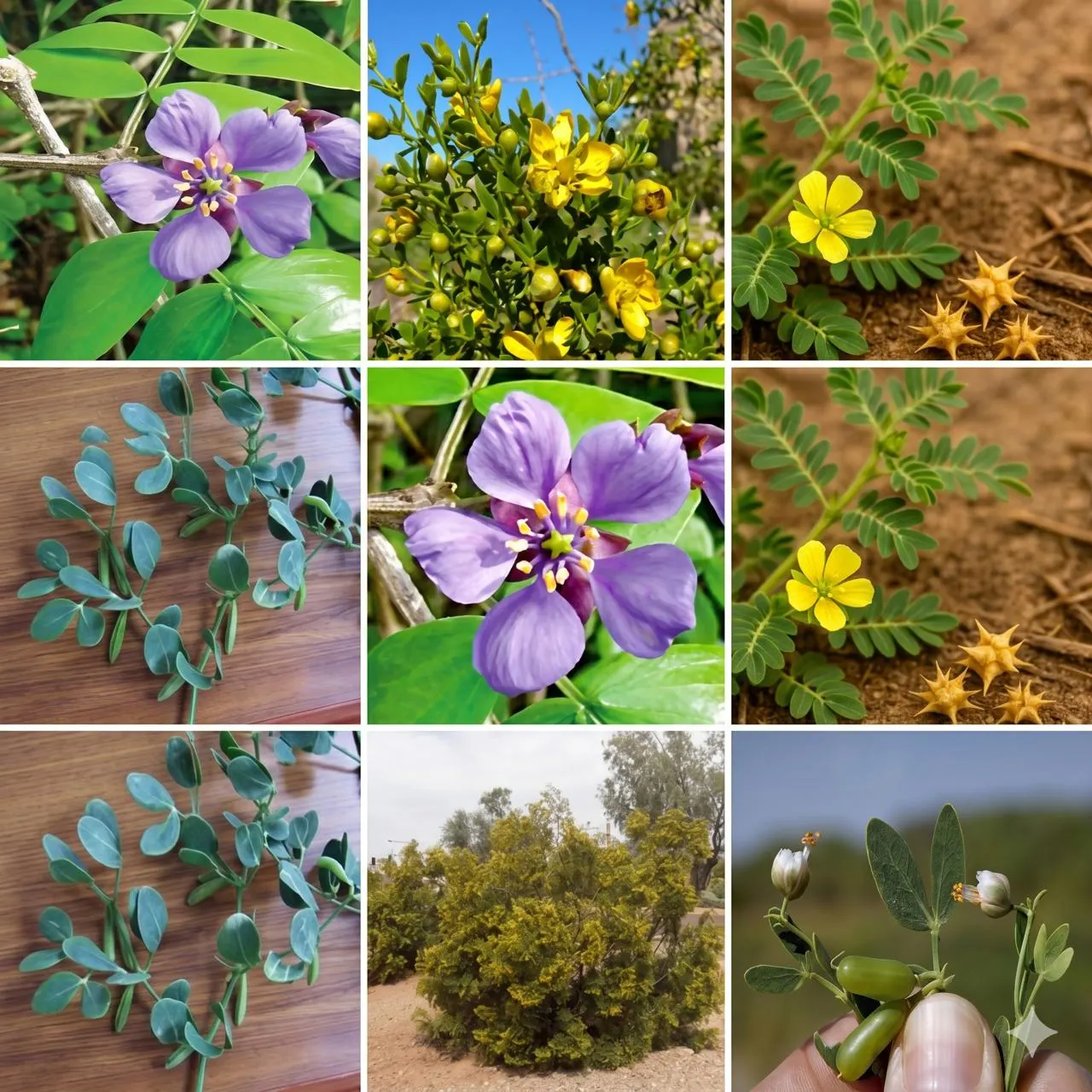
ZygophyllaceaeFamilia de plantas con flores que incluye especies suculentas y xerofíticas adaptadas a ambientes áridos y salinos. Comprende arbustos, hierbas y algunas suculentas distribuidas principalmente en regiones tropicales y subtropicales áridas.